Patterns of the Month | 50% off

Dining Etiquette Guide
What Your Utensils Say at the Table
Have you ever had your plate cleared while you were still eating—or wondered how to signal you’re finished without saying a word? The answer comes down to cutlery placement.
The way you place your knife and fork on your plate isn’t random—it’s a universal form of nonverbal communication in dining etiquette. Known as the “language of cutlery,” each position signals whether you’re pausing, finished, or still eating.
Understanding cutlery placement meaning helps prevent common dining mishaps—like having your plate cleared too early—and allows you to navigate restaurants and formal meals with confidence.
Etiquette, tips and tricks
How to Signal to Restaurant Staff
Would you like to know how to place your cutlery according to etiquette, so that restaurant staff understand you implicitly?
The “Clock Method”
Cutlery positioning communicates whether you’re still eating or taking a break. Think of your knife and fork as clock hands.
Clear placement ensures smooth service and proper table etiquette in any dining setting.


Taking a Break?
To pause your meal without having your plate cleared:
- Place knife and fork uncrossed on your plate
- Tines and blade face inward
- Handles rest on the edge of the plate at about the “8:20” position
The spoon is one exception in the cutlery placement rules. The soup spoon is normally served on a saucer. You should also place it there during a break or after eating.
Setting cutlery correctly
How to Properly Set the Table and Use your Cutlery
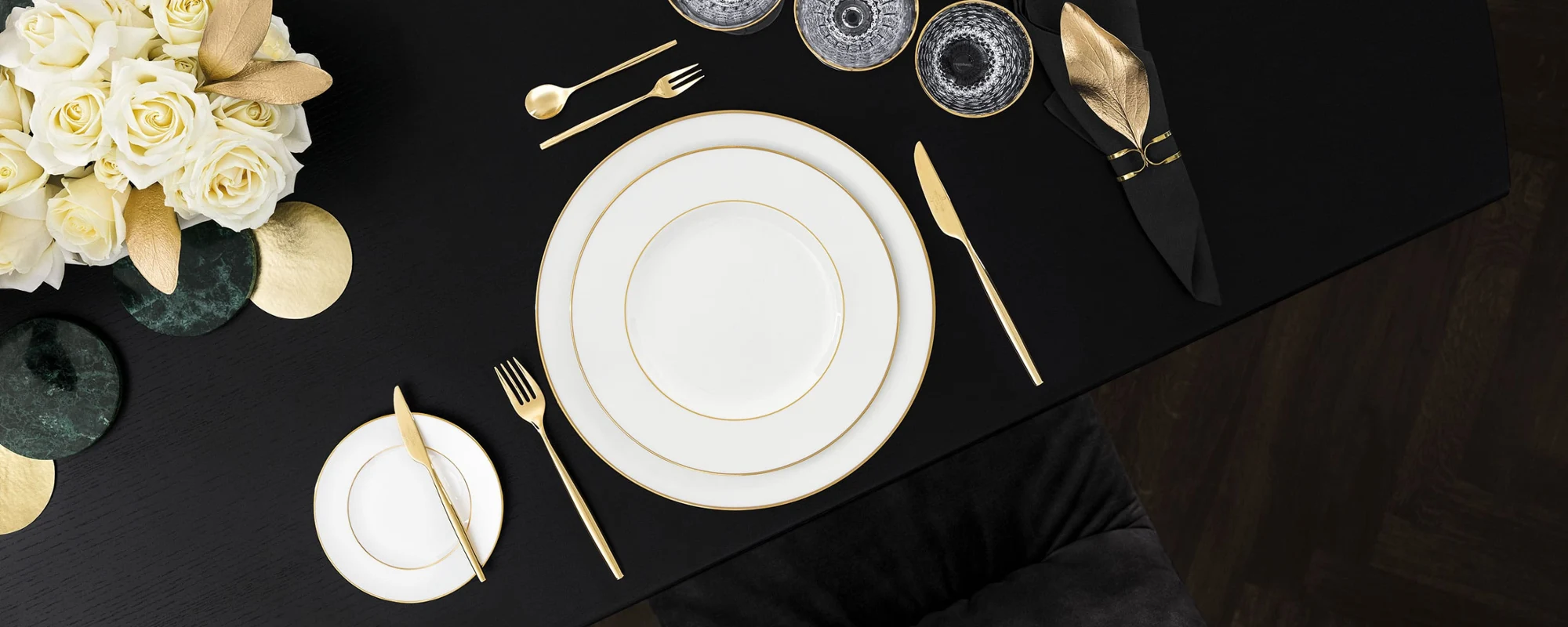
A standard place setting follows a simple, logical order:
- The fork is placed to the left of the plate
- The knife is placed to the right, with the blade facing inward toward the plate
- The spoon is placed to the right of the knife
Additional utensils are arranged by use:
- Positioned in the order they will be used
- The general rule is “from the outside in”
Start with the outermost cutlery and work inward with each course
Specialty utensils, such as a dessert fork or teaspoon, are typically placed above the plate or brought out with dessert.
Tip:
Forks and knives are always part of the setting, but not always used for every food item
For example:
- Potatoes should be gently broken with a fork not mashed or sliced with a knife
*This tradition dates back to when early metal knives could affect the taste of delicate foods like eggs, fish, and asparagus—hence the continued preference for using a fork whenever possible.
cutlery etiquette
What else should you consider?
You now know how to place cutlery correctly and you also have a sense of the language of cutlery. But there are other etiquette rules for using cutlery.
First of all, it is important that you never take anything from a platter or serving bowl with your cutlery, which is considered discourteous and unhygienic. Separate, specially designed forks and spoons are used for this purpose. If these are not available, you can request them from the restaurant staff.
Another no-go is gesturing with cutlery: it is considered bad manners to make vigorous movements with cutlery at the table. You should therefore always place your cutlery on your plate before engaging in animated conversation.
